Sunday, March 4, 2012

Java versus Cloud-Mobile-Social: Are we there yet?

It can get a bit unnerving for some these days, with the eerie silence around the technologies in the enterprise space. All we hear of these days is, Cloud, Mobile and Social Computing (i.e the Social Enterprise) . While it's true that these are exciting and disruptive technologies, we thought we'd take a break and focus on what else is happening out there.

It seems that a lot of innovation is currently focused on these aforementioned areas, and the patent wars are only adding fuel to the competitive fire. Post the acquisition of Sun by Oracle in 2010, there was a certain lag in the progress of the Java technologies. Much had been written about what will the future of Java be, and how Oracle's approach was likely to shape out. If you looked closely, maybe this apprehension also was beginning to seemingly show up in the open source space too. (And, that's not surprising since a lot of open source stuff is also Java-based).

The next release of Java came a good 18-odd months post the acquisition, and developers probably still asked what the future of Java was going to be. This question still remains unanswered to a large extent, and maybe it's the lack of forthcoming news on the Java front (see TechVibes for a comprehensive dashboard of many of the tech news, reflecting the apparent sluggish pace of innovation in the J&OSS space), or the mere fact that the cloud and mobile technologies are just overshadowing Java at the moment.

What is interesting is that this new generation of technologies, all leveraging the Internet as it's core infrastructure, are powered in many cases by non-Java technologies, or atleast different approaches. So, one may like to think that the 'next generation' enterprise or business will be powered more by these but it's hard to say if that's how things will pan out. Oracle - and Java - may have had a bit of a late start in these new, emerging technologies, but they are trying to forge ahead, and clearly so, in the enterprise space.

JavaOne, the premier Java conference, last year (2011) was attended and watched by many in anticipation of whether it throws any light on the future of Java: how it's going to be evolving. While we take this opportunity to step aside from the hype around Cloud-Mobile-Social, it is probably worthwhile to ponder a bit on what the folks are working on, and what's coming up in the near, foreseeable future, even as the conference teams are busy working out the agenda for this year.


In a nutshell, what's coming up on the roadmap:
- JDK 7, for Windows and other OS
- JDK 8 (by 2014)
- NetBeans 7+
- Java EE 7 - Building for the Cloud, and other spec upgrades like JMS 2.0
- JavaFX 2.0/3.0 and
- Java ME...

None of these seem greatly disruptive and probably lack the excitement that the likes of Spring seems to be playing towards (more on this in a later post), and it'd be nice to hear what the larger developer community feels about this roadmap. We'd like to get your comments and views on what do you think 'Java' should/shouldn't focus on, and also, if you agree or disagree with the whole promise of the cloud-mobile-social technology revolution.

As for us, we hope that the pace of innovation picks up, and they find a way to create the robust platforms - engineered for what is no doubt an exciting next generation!

Sunday, December 18, 2011

Commerce in the Connected Era - What are Consumers Using Mobile Devices For?


Smartphone or Tablet? Shopping or entertainment? Social Networking or Business? Search or Post-purchase?

The mobile revolution has taken the world by storm in 2010-11, and the signs for continuing growth are still looking good, with the mobile wars between Apple's iOS and Google's Android getting fiercer and fiercer.

But, if you are in any kind of business today - tech or otherwise - there's no escaping the impact the mobile devices have begun to have on it. Businesses - and their IT - are in a mad scramble to figure out what to do, to get a share in this pie. Just like the hype around cloud computing, there are no easy answers, but this interesting survey by Nielsen tries to provide a hint to answer the questions above.

It's a good report, and could be a helpful tool for helping that organization identify their strategy to how to just get that market share away from their competitor.


Happy reading - and feel free to post your comment if you used a mobile device to read this one. LOL!

Mobililty Applied - The Supermarket In Your Hand

As the number of mobile devices the world over continues to climb higher, and statistics show the ever increasing rise in smartphones and tablets over the first-generation phones, frankly, one can't help but wonder, how all these things will really come together. For whom? Well, for both consumers and businesses alike.

It's easier for consumers as they find novelty and amusement in the 450,000+ Apple iPhone or Google Android apps on App Stores (see this excellent peek into how the Mobile influences your 24 hours). Game providers (ala Angry Birds) are probably singing their way to the banks. But what about the remaining 449,000 apps? Who is really using these?

What we see here is the 'Long Tail' phenomenon at play. And, while this has indeed become possible with the innovations and platforms provided by companies like Apple and Google, no doubt, the million dollar question that's asked in enterprises is - what can we do with this new disruptive force?

Well, one company appears to have got it right - and superbly too. Tesco, a leading UK retailer, has demonstrated an amazing way to make a difference to the lives of Koreans in the way they live and work. This video (below) explains exactly how, and in so doing, Tesco has become a leader in this new geography, a true sign of innovation powering growth in unchartered territories!

Sunday, November 27, 2011

10 Best Tablets of 2011 (Reviews)

The mobile revolution is already making deep inroads. After the fancy phones, this year has already seen almost every one going crazy after Tablets - those uber-cool devices that Apple introduced to the world sometime ago. Not to be left behind, and with the rising popularity of Google's Android, there's been a score of tablets that have flooded the marketplace.

As we come to a close of 2011 shortly, here's an easy to use review of the best tablets of 2011.
(PS: You may or may not agree to all the review criteria or the ratings, but it's still a good, quick summary, to help you make a more informed choice, if you're planning on getting one of these anytime soon! Happy shopping!)


(PS: Use the option buttons above to zoom in/out, navigate or interact better with the visual map above)

Sunday, November 20, 2011

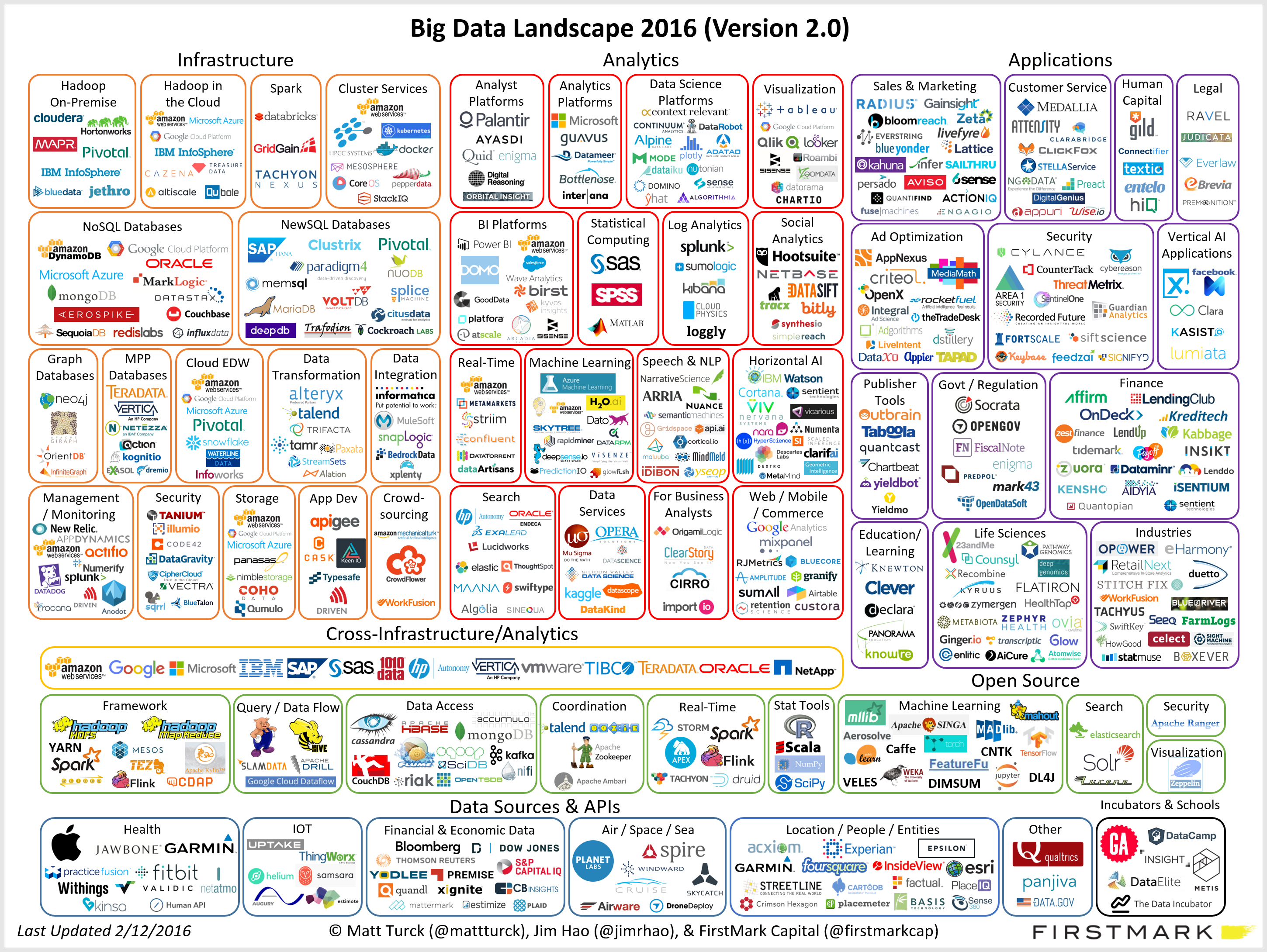
Big Data Architecture(s)

"Facebook is the world's largest social network, with a user population exceeding 800 million and 2.5 billion photos uploaded a month (2009)." Twitter is the largest micro-blogging site in the world with millions of messages exchanged everyday. "About 5 billion mobile devices are in use (as of 2010), the world over, and that doesn't even include everyone in the most populous countries of the planet."These are staggering facts by any standard...
This is the digital age, and we are using technology everyday - rather, every second of the day - to connect, collaborate, share, with the people who belong in our social sphere, be it for work or fun. And, with the rise and affordability of means of capturing and sharing digital information at the click of a button, there is just an extreme burst of data that flows through the guts of the Internet (and systems) today.


A new age is beginning to dawn where the ability to process, analyze and visualize these vast bits of data will lead to newer insights into the way people are leveraging the technological innovations to improve their personal as well as business relationships. It is this new paradigm that is aptly called BigData, and is here to stay.

The great presentation below walks us through the internals of what make up such Big Data Architectures, and also provides a peek into the (earlier) architectures of Facebook and Twitter.

Thanks to Philippe Julio for sharing this presentation.